
Cart (0)
No products in the cart.

“Ply” refers to the number of paper layers used to make the corrugated board.
Corrugated board combines flat sheets, called liners, with wavy sheets, called fluting. These layers form the structure of the box.
A 3-ply box uses board with three paper layers:
This construction is also called single-wall corrugated board. It is commonly used for small shipping boxes, mailer boxes, and lightweight retail packaging.
A 5-ply box uses board with five paper layers:
This construction is called double-wall corrugated board. The additional layers generally provide greater rigidity and resistance to crushing when compared with a similar grade of single-wall board.
| Feature | 3-Ply Boxes | 5-Ply Boxes |
|---|---|---|
| Construction | Three paper layers; single wall | Five paper layers; double wall |
| Thickness | Generally thinner | Generally thicker |
| Packaging weight | Usually lighter for comparable dimensions | Usually heavier for comparable dimensions |
| Strength | Suitable for lighter-duty applications, depending on grade | Generally stronger when comparing similar paper grades |
| Cost | Usually lower for comparable specifications | Usually higher due to additional material |
| Typical applications | Small e-commerce orders and lightweight products | Heavier goods, bulk orders, and larger cartons |
There is no universal weight capacity for every 3-ply or 5-ply box. Ask your supplier about the strength and suitability of the specific box you plan to buy.
Consider a 3-ply corrugated box when your product is lightweight, the package is compact, and the selected board grade provides enough protection.
Possible applications include:
For example, a compact self-locking mailer may suit a small accessory order. Choosing the correct size and preventing movement inside the package are still essential.
A 3-ply box can help control packaging costs when additional board strength is unnecessary.
Consider a 5-ply corrugated box when the shipment needs more structural support.
Possible applications include:
A large carton containing several smaller retail boxes may benefit from double-wall construction, especially when other cartons will be stacked above it.
For fragile products, a stronger outer box must be combined with suitable cushioning, dividers, or inserts. Extra paper layers alone cannot prevent damage from movement or impact.
Measure the weight of the complete shipment, including the product, box, cushioning, and accessories.
Choose packaging for the actual packed load rather than the product weight alone.
Glass, ceramics, and other delicate products need protection inside the box. Use suitable cushioning to separate items and prevent them from touching the carton walls.
Choose a box that allows enough space for protective packaging without leaving excessive empty space.
Confirm whether the supplier’s dimensions are internal or external. Internal dimensions determine product fit, while the final external dimensions matter when measuring a parcel for shipping.
Ply count does not describe the complete strength of a box. Paper grade, flute type, manufacturing quality, and strength test results also affect performance.
GSM measures paper weight per square metre. It should not be treated as a complete measure of box strength.
Consider repeated handling, stacking, storage duration, and exposure to moisture. Ordinary corrugated boxes are not waterproof, and damp conditions can weaken them.
A 5-ply box does not automatically reduce courier charges. Its extra material can increase packaging weight, and an oversized box may increase chargeable volumetric weight.
The aim is to choose adequate protection in an appropriately sized package. Compare packaging cost, final parcel measurements, and the risk of product damage before deciding.
It generally offers more structural strength when similar board grades are compared. However, a suitable 3-ply box may be sufficient for a lightweight product.
Yes, provided the specific box is suitable for the packed weight, product, and expected handling conditions.
It may provide a stronger outer carton, but glass products also require appropriate cushioning and separation. Test the complete packaging before shipping regularly.
Yes. Pack your actual product in a sample box and check fit, closure, movement, and performance under expected handling and stacking conditions.
The right choice depends on your product and shipment. For lightweight, compact orders, a suitable 3-ply box may meet your needs. For heavier contents or greater stacking demands, consider a suitable 5-ply box.
Explore packaging options at MM WILL CARE. Share your product dimensions, total packed weight, quantity, and shipping requirements to help identify a suitable box.
Share:
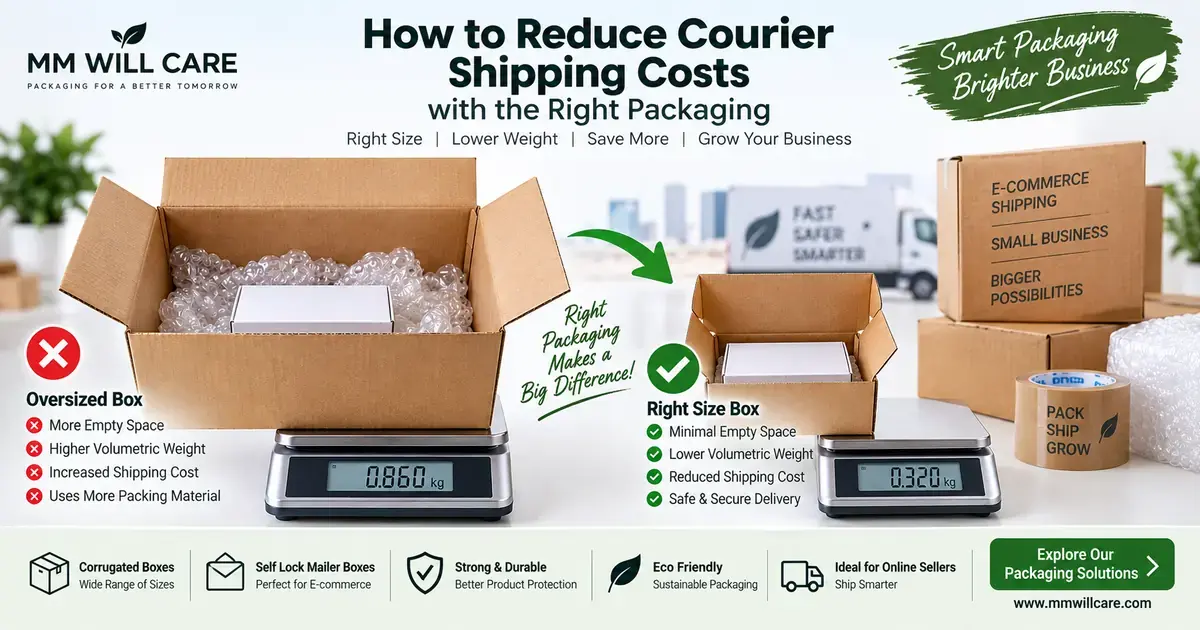
Courier charges can significantly affect the profitability of an e-commerce business. Choosing the right packaging size,...

In the e-commerce and retail world, choosing the right packaging is just as critical as the product itself. If your box...

Jewellery and cosmetic products require packaging that is compact, attractive and strong enough to protect delicate item...
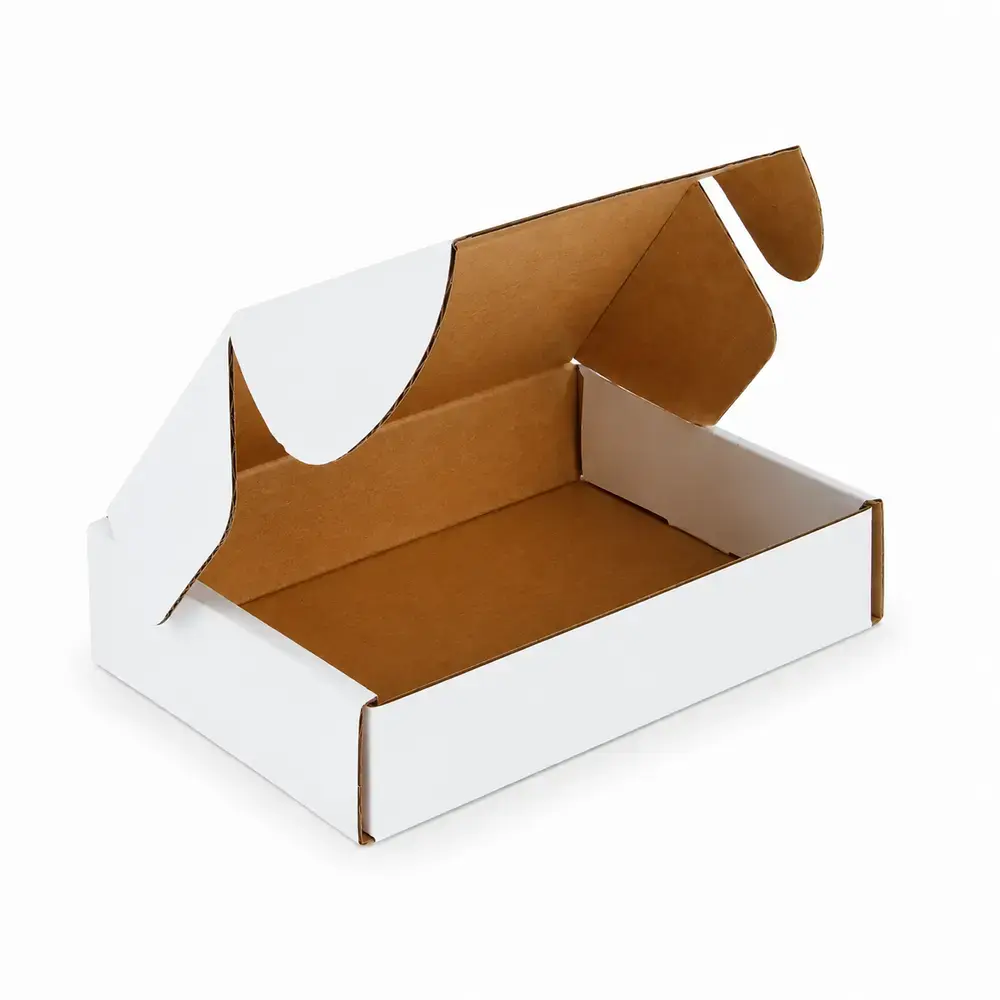
Wondering what products fit in a 6 × 4 × 2 inch box? This practical size is suitable for jewellery, cosmetics, mobile ac...